Key takeaways at a glance
- Occasional snoring in children can be normal, especially during colds or allergies.
- Frequent snoring may be linked to enlarged tonsils, nasal blockage, or sleep-disordered breathing.
- Obstructive Sleep Apnea (OSA) in children can affect sleep quality, behaviour, and learning.
- Early assessment can help in guiding the appropriate next steps without delay.
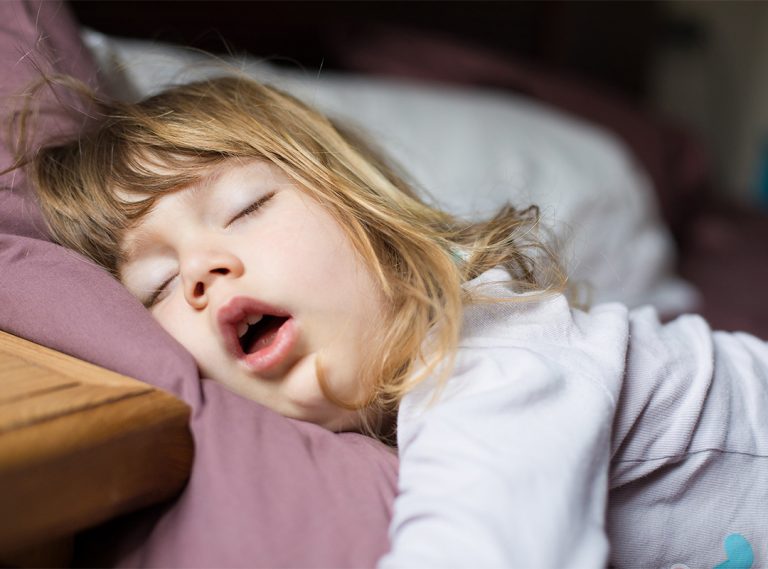
Snoring in children can worry many parents. While occasional snoring may be harmless, persistent or loud snoring could sometimes point to underlying sleep-related breathing issues. Understanding the reason behind your child’s snoring can help you decide when reassurance is enough and when a medical review may be helpful.
What are the common child snoring causes?
Not all snoring is the same. Some common reasons include:
- Blocked nasal passages
- Colds, flu, or sinus congestion
- Allergic rhinitis, which is common among children in Singapore’s humid climate
- Enlarged tonsils or adenoids
- These tissues sit near the airway and may narrow it during sleep
- Sleeping position
- Sleeping on the back can sometimes worsen snoring
- Body weight
- Excess weight may contribute to airway narrowing in some children
In many cases, snoring is temporary and improves once the underlying trigger settles.
When does snoring become a concern?
Snoring may need attention if it is something that happens most nights, is loud enough to hear from another room, or is linked to breathing pauses, restless sleep, mouth breathing, bedwetting, or daytime sleepiness may point to sleep-disordered breathing, including obstructive sleep apnoea.
What is Obstructive Sleep Apnea in children?
Obstructive Sleep Apnea (OSA) occurs when the airway becomes repeatedly blocked during sleep, leading to disrupted breathing.
In children, this can result in:
- Poor quality sleep despite long hours in bed
- Behavioural changes that may mimic attention difficulties
- Slower growth or learning challenges in some cases
Unlike adults, children with OSA may not always appear sleepy; instead, they may seem overactive or irritable.
How is child snoring assessed?
Assessment usually starts with:
- A detailed discussion of sleep habits and symptoms
- Examination of the nose, throat, and tonsils
- Review of medical history such as allergies or frequent infections
In some cases, further sleep evaluation may be advised to better understand breathing patterns during sleep, in line with responsible clinical guidance.
Frequently asked questions
- Is snoring in children always abnormal?
No. Occasional snoring, especially during illness, can be normal and short-lived.
- Can allergies cause regular snoring?
Yes. Nasal inflammation from allergies is one of the common child snoring causes and may worsen at night.
- Will my child outgrow snoring?
Some children do, especially if snoring is related to temporary factors. Persistent snoring should still be checked.
- Is Obstructive Sleep Apnea serious in children?
It can affect sleep quality and daily functioning. Early identification helps reduce longer-term impact.
When should you as a parent consider a medical review?
You may want to seek advice if snoring lasts more than a few weeks, affects your child’s behaviour or school performance, or involves breathing pauses during sleep. If you’re concerned, a consultation at GCHEE Ear, Nose, Throat, Sinus and Dizziness Centre can help identify possible causes and guide next steps, giving you clearer insight into your child’s sleep health.