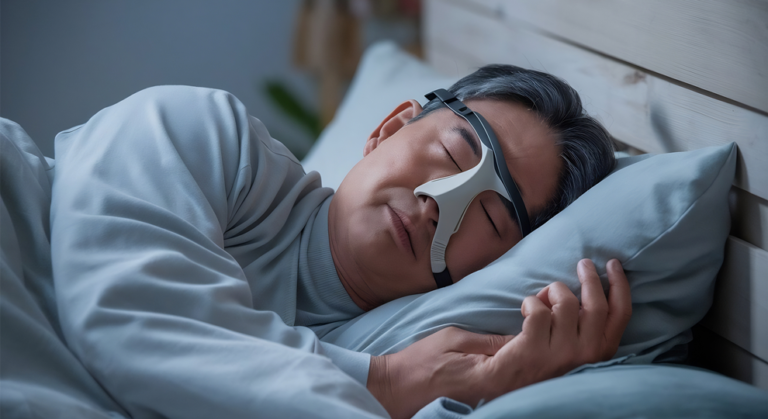
Many parents assume that if their child sleeps for 8–10 hours every night, they should wake up refreshed and ready to learn. However, some children still seem tired, distracted, forgetful, or restless during the day despite spending enough time in bed. One often-overlooked reason is a sleep-related breathing disorder known as obstructive sleep apnoea (OSA).
Understanding the connection between sleep apnea and concentration in children can help parents identify underlying issues and seek appropriate medical advice.
Key Takeaways
- A child can sleep for many hours but still experience poor-quality sleep due to sleep apnoea.
- Interrupted breathing during sleep may affect attention, memory, learning, and behaviour.
- Common signs include snoring, restless sleep, mouth breathing, and daytime fatigue.
- Early assessment and management may help improve sleep quality and daytime functioning.
Could Poor Focus Be Linked to Sleep Quality Rather Than Sleep Quantity?
Getting enough hours of sleep is important, but sleep quality matters just as much.
When a child experiences repeated interruptions in breathing during sleep, their brain may briefly wake up multiple times throughout the night. These interruptions can occur without the child or parents fully realising it. As a result,
- Sleep becomes fragmented and less restorative.
- The brain may not spend enough time in the deeper stages of sleep.
- The child may wake feeling unrefreshed despite sleeping through the night.
- Daytime alertness and concentration can be affected.
What Is Obstructive Sleep Apnoea in Children?
Obstructive sleep apnoea occurs when the upper airway becomes partially or completely blocked during sleep. This can lead to,
- Reduced airflow
- Brief pauses in breathing
- Repeated sleep disruptions throughout the night
Children may be at higher risk if they have,
- Enlarged tonsils or adenoids
- Allergic rhinitis or chronic nasal congestion
- Obesity
- Certain craniofacial differences
- A family history of sleep-disordered breathing
How Does Sleep Apnea and Concentration in Children Affect Learning?
The relationship between sleep apnea and concentration in children is increasingly recognised. When sleep quality is repeatedly disrupted, children may experience,
Attention Difficulties
- Trouble staying focused during lessons
- Easily becoming distracted
- Difficulty completing tasks
Memory Challenges
- Reduced ability to retain new information
- Difficulty recalling lessons learned in school
Behavioural Changes
- Irritability
- Mood swings
- Frustration with schoolwork
Reduced Academic Performance
- Slower processing of information
- Difficulty following instructions
- Challenges with problem-solving and learning activities
Some children may even appear unusually hyperactive rather than sleepy, which can sometimes lead parents to overlook an underlying sleep issue.
What Signs Should Parents Watch For?
Children with sleep apnoea do not always present the same way as adults. Potential warning signs include,
During Sleep
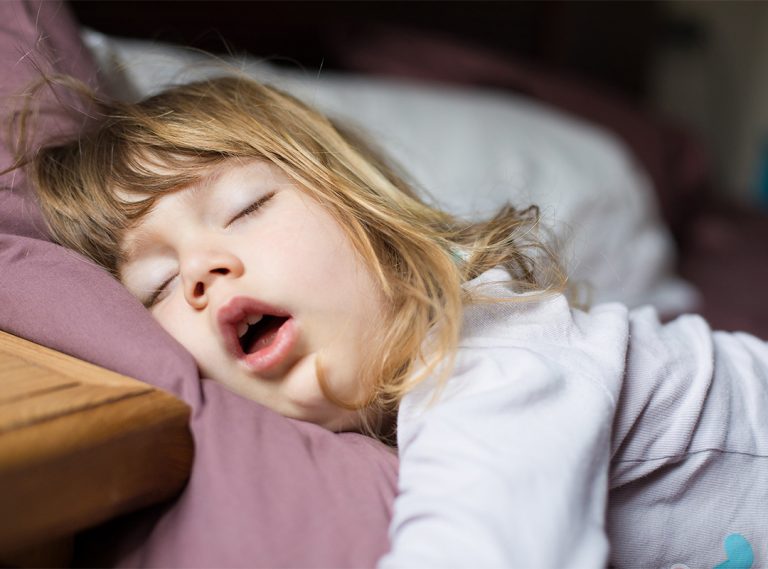
- Frequent snoring
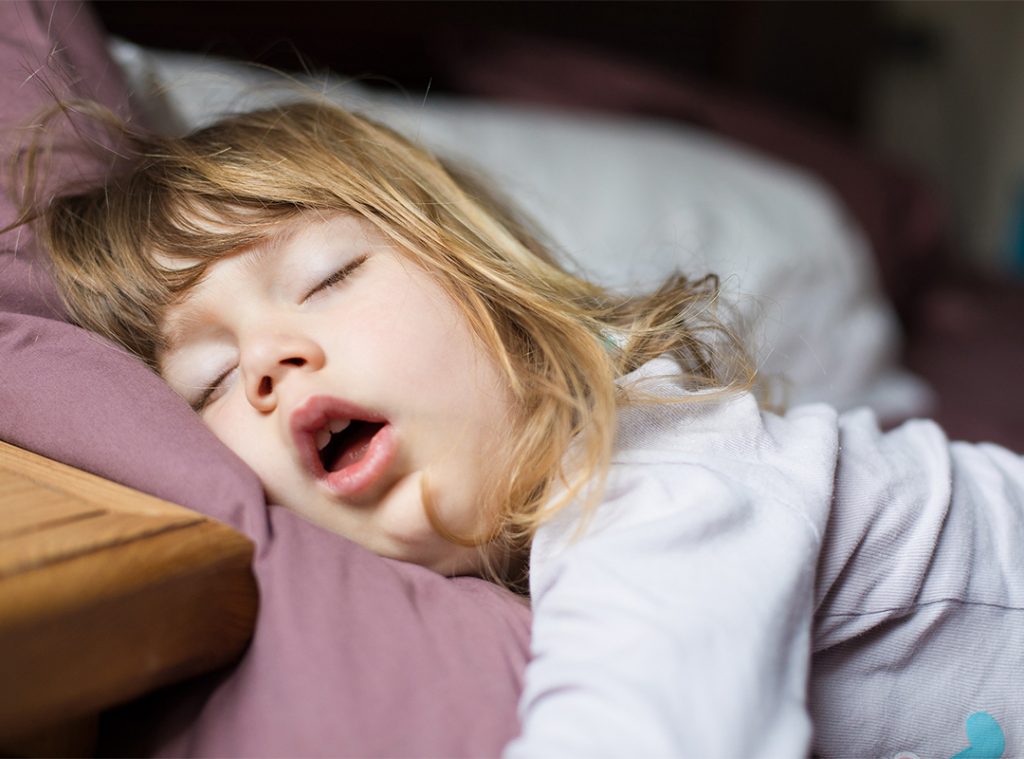
- Mouth breathing
- Restless sleep
- Pauses in breathing
- Gasping or choking sounds
- Unusual sleeping positions
During the Day
- Difficulty concentrating
- Excessive tiredness
- Morning headaches
- Behavioural concerns
- Poor school performance
- Difficulty waking up in the morning
If these symptoms occur regularly, a medical evaluation may be helpful.
When Should Parents Seek Medical Advice?
Parents should consider seeking an assessment if,
- Snoring occurs most nights.
- Concentration difficulties persist despite adequate sleep hours.
- Teachers report ongoing attention concerns.
- Breathing irregularities are noticed during sleep.
- Daytime tiredness affects school or daily activities.
An ENT specialist can evaluate possible airway-related causes and determine whether further assessment is appropriate.
Frequently Asked Questions
Can a child have sleep apnoea even if they sleep for many hours?
Yes. Sleep duration and sleep quality are different. A child may sleep for a full night but still experience disrupted sleep due to repeated breathing interruptions.
Is snoring normal in children?
Occasional snoring may occur during illnesses. However, frequent or habitual snoring should be assessed, especially if accompanied by concentration or behavioural concerns.
Can sleep apnoea affect school performance?
Sleep-disordered breathing may contribute to difficulties with attention, memory, learning, and classroom participation.
What causes sleep apnoea in children?
Common contributing factors include enlarged tonsils, enlarged adenoids, nasal obstruction, obesity, and certain anatomical differences affecting the airway.
Concerned About Your Child’s Sleep and Daytime Focus?
If your child struggles with concentration, daytime tiredness, or frequent snoring despite getting a full night’s sleep, it may be worthwhile to have their symptoms assessed. Identifying potential causes early can help support your child’s overall well-being and daily functioning.
Dr Gerard Chee at G Chee ENT Sinus & Dizziness Centre provides assessment and management for a range of ENT and sleep-related conditions, including concerns related to sleep-disordered breathing in children. Consider contacting the clinic to schedule a consultation and discuss your child’s symptoms with an ENT specialist.